
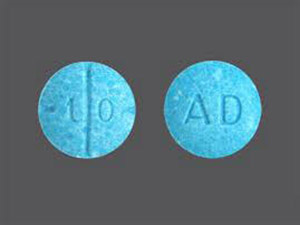
Buy Adderall 10mg online | Best place to buy Adderall 10mg online
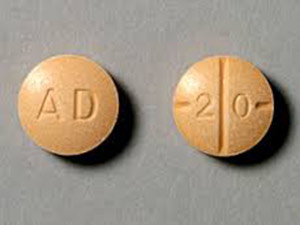
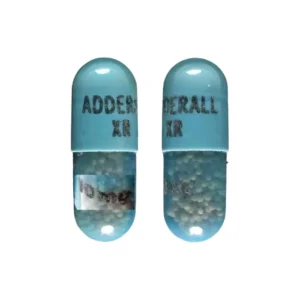
Buy Adderall 10mg is the brand name of a fixed-dose combination medication used for the treatment of attention deficit hyperactivity disorder (ADHD) and narcolepsy. It is also used as an athletic performance enhancer, cognitive enhancer, appetite suppressant, and recreationally as a euphoriant. Such uses are illegal in many countries. It is a central nervous system (CNS) stimulant of the phenethylamine class. It contains the amphetamines dextroamphetamine saccharate, amphetamine aspartate, dextroamphetamine sulfate, and amphetamine sulfate. It is taken by mouth.
What is amphetamine/dextroamphetamine used for?
Amphetamine/dextroamphetamine is commonly used for the following conditions.
- Attention deficit hyperactivity disorder (ADHD), which is a condition that affects attention, focus, and self-control
- Narcolepsy, which is a condition that causes severe daytime sleepiness
These uses may vary depending on the specific amphetamine/dextroamphetamine product prescribed. Amphetamine/dextroamphetamine may also be used for other conditions as determined by your health care provider.
How does amphetamine/dextroamphetamine work (mechanism of action)?
Amphetamine/dextroamphetamine contains two medicines, amphetamine and dextroamphetamine. It is part of a group of medicines called stimulants. It may work by increasing levels of natural brain chemicals, such as norepinephrine and dopamine. These chemicals play a role in attention, alertness, and wakefulness.
How should I store amphetamine/dextroamphetamine?
Amphetamine/dextroamphetamine should be stored at room temperature, between 68 F and 77 F (20 C and 25 C). It can be exposed to temperatures between 59 F and 86 F (15 C and 30 C) for shorter periods of time, such as when transporting it. Store in a cool, dry, and safe place, such as a locked cabinet. Protect from light.
What are the most common side effects of amphetamine/dextroamphetamine?
The most common side effects of amphetamine/dextroamphetamine are listed below. These side effects may vary depending on your age and the product you are taking. Tell your health care provider if you have any of these side effects that bother you.
- Decreased or loss of appetite
- Trouble sleeping
- Weight loss
- Irritability
- Nausea and vomiting
- Stomach pain
- Headache
- Dry mouth
- Anxiety, nervousness, or agitation
- Mood swings
- Nervousness
- Fever
- Diarrhea
- Dizziness
- Fast heartbeat (see below)
- Feeling unusually weak or tired
There may be other side effects of amphetamine/dextroamphetamine that are not listed here. Contact your health care provider if you think you are having a side effect of a medicine.
Does amphetamine/dextroamphetamine interact with other medicines (drug interactions)?
Always tell your health care provider about any prescription or over-the-counter (OTC) medicines, vitamins/minerals, herbal products, and other supplements you are using.
In particular, make sure that you discuss if you are using any of the following before taking amphetamine/dextroamphetamine.
- A monoamine oxidase inhibitor (MAOI) within the past two weeks, which is a medicine usually used for depression or Parkinson’s disease
- A selective serotonin reuptake inhibitor (SSRI), such as fluoxetine, paroxetine, or sertraline, which is a medicine commonly used for anxiety and depression
- A serotonin and norepinephrine reuptake inhibitor (SNRI), such as duloxetine or venlafaxine, which is a medicine commonly used for anxiety and depression
- A triptan, such as eletriptan (Relpax), sumatriptan (Imitrex and others), and others, which is a medicine commonly used to treat migraines
- Lithium, which is a medicine for certain mental health conditions
- Fentanyl, meperidine, or tramadol, which is a medicine used to treat certain types of pain
- Buspirone, which is a medicine used to treat anxiety
- A tricyclic antidepressant, such as amitriptyline, nortriptyline, or protriptyline, even if it is not used for depression
- Tryptophan, which is a supplement that may be used to help the body make proteins and certain brain signaling chemicals
- St. John’s wort, which is a supplement that may be used for depression
- Ascorbic acid, also known as vitamin C
- A medicine for high blood pressure
- Acetazolamide, which is a medicine used to treat fluid retention, glaucoma, and altitude sickness
- A thiazide diuretic, such as chlorthalidone, hydrochlorothiazide, or indapamide, which is a medicine commonly used to lower blood pressure
- A proton pump inhibitor (PPI), such as esomeprazole (Nexium), lansoprazole (Prevacid), omeprazole (Prilosec), pantoprazole (Protonix), or rabeprazole (Aciphex)
- An antihistamine, such as chlorpheniramine or diphenhydramine (Benadryl), which is a medicine commonly used to treat allergy symptoms
- Chlorpromazine, which is a medicine that may be used to treat certain mental health conditions or severe nausea and vomiting
- Haloperidol (Haldol), which is a medicine used to treat schizophrenia and certain symptoms of Tourette syndrome
- Methenamine (Hiprex), which is a medicine used to help prevent bladder or kidney infections
- A medicine for seizures, such as ethosuximide (Zarontin), phenobarbital, or phenytoin (Dilantin, Phenytek, and others)
Many other medicines may alter the blood levels of amphetamine/dextroamphetamine. Tell your health care provider about all medicines that you take or have recently taken.
Order Adderall 10 mg
Adderall 10 mg tablets are typically prescribed as a starting or maintenance dose for individuals who require support with concentration, task completion, and mental alertness. By stimulating the central nervous system, the medication helps improve focus, attention span, and cognitive performance, making it easier for patients to stay organized and productive throughout the day.
| Select Packages | 120 Pills, 180 Pills, 240 Pills, 300 Pills, 60 Pills |
|---|
Be the first to review “Adderall 10mg”
Related products

Reviews
There are no reviews yet.