Buprenorphine | Buy Buprenorphine online
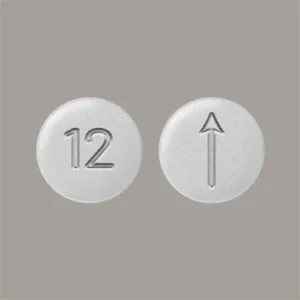
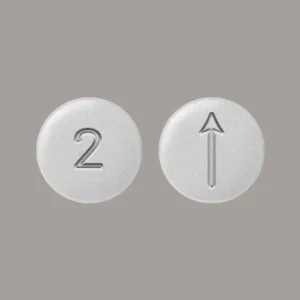
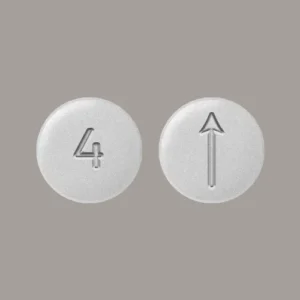
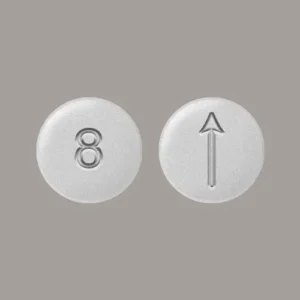
Buy Buprenorphine Online with fast delivery. Buprenorphine is a prescription medication used to treat opioid use disorder (OUD) and moderate to severe pain. It works by partially activating opioid receptors in the brain, helping reduce withdrawal symptoms and cravings without producing the full euphoric effects of stronger opioids.
Because of its unique pharmacology, buprenorphine is widely used in medication-assisted treatment (MAT) programs.
What Is Buprenorphine Used For?
Buprenorphine is prescribed for:
- Opioid use disorder (OUD) treatment
- Prevention of opioid withdrawal symptoms
- Reduction of opioid cravings
- Moderate to severe pain management (in specific formulations)
- Medication-assisted recovery programs
- Long-term addiction treatment support
It is often combined with naloxone in formulations designed to reduce misuse.
How Buprenorphine Works (Mechanism of Action)
Buprenorphine works by interacting with opioid receptors in the brain.
Mechanism effects:
- Partially activates mu-opioid receptors
- Reduces withdrawal symptoms and cravings
- Blocks effects of other opioids
- Produces a “ceiling effect” that limits respiratory depression risk
- Stabilizes brain chemistry in opioid dependence
This ceiling effect is one of its most important safety advantages.
Buprenorphine Dosage Information
Buprenorphine dosing depends on treatment purpose and formulation.
Common forms include:
- Sublingual tablets or films (for OUD treatment)
- Transdermal patches (for pain management)
- Injectable formulations (clinical settings)
Key principles:
- Initiation usually occurs after mild withdrawal begins
- Dose is carefully adjusted to prevent withdrawal or sedation
- Maintenance dosing supports long-term stability
- Must be prescribed and monitored by a healthcare provider
Buprenorphine Side Effects
Like all opioid-related medications, buprenorphine may cause side effects.
Common side effects:
- Headache
- Nausea
- Constipation
- Sweating
- Sleep disturbances
- Dizziness
Serious risks:
- Respiratory depression (lower risk than full opioids but still possible)
- Liver function changes (rare)
- Dependence with long-term use
- Withdrawal symptoms if stopped abruptly
Buprenorphine for Opioid Use Disorder (OUD)
Buprenorphine is a key medication in opioid addiction treatment.
Benefits in OUD treatment include:
- Reduces opioid cravings
- Prevents withdrawal symptoms
- Lowers relapse risk
- Blocks effects of other opioids
- Supports long-term recovery stability
It is often part of a comprehensive treatment plan including counseling and behavioral therapy.
Buprenorphine vs Methadone
Methadone:
- Buprenorphine: partial agonist, lower overdose risk, office-based treatment
- Methadone: full agonist, stronger effects, usually dispensed in clinics
Both are effective for opioid dependence but differ in safety profile and access.
Buprenorphine vs Full Opioids
Compared to full opioids like morphine or oxycodone:
- Buprenorphine has a ceiling effect on respiratory depression
- Lower risk of overdose
- Less euphoric effect
- Better suited for long-term stabilization
Who May Use Buprenorphine?
Buprenorphine may be prescribed for:
- Individuals with opioid use disorder
- Patients transitioning off full opioids
- Chronic pain patients requiring opioid-sparing strategies
- Patients in structured recovery programs
It is not suitable for:
- Patients with severe respiratory instability (without supervision)
- Individuals not assessed for opioid dependence treatment
- Non-medical use or unsupervised self-treatment
Safety Information
When using Buprenorphine:
- Take only under medical supervision
- Do not combine with alcohol or sedatives
- Follow induction instructions carefully
- Do not stop abruptly
- Store securely away from others
Medical Disclaimer
Buprenorphine should only be used under the supervision of a licensed healthcare provider. Misuse can lead to dependence, withdrawal symptoms, or serious health risks.
Frequently Asked Questions (FAQ)
What is buprenorphine used for?
Buprenorphine is used for opioid use disorder treatment and sometimes pain management.
Is buprenorphine an opioid?
Yes, but it is a partial opioid agonist with a ceiling effect.
Does buprenorphine cause withdrawal?
Yes, if stopped suddenly after long-term use.
Is buprenorphine safer than methadone?
It generally has a lower overdose risk due to its ceiling effect.
Can buprenorphine be used long term?
Yes, under medical supervision in maintenance treatment programs.