Zolpidem: Buy Zolpidem Online
Zolpidem is a prescription medication used for the short-term treatment of insomnia. It belongs to a class of drugs called sedative-hypnotics, which help the brain slow down activity to promote sleep.
Zolpidem is commonly prescribed for:
- Difficulty falling asleep (sleep onset insomnia)
- Waking up frequently during the night
- Short-term sleep disturbances
It is intended for short-term use due to risks of dependence and next-day impairment.
How Zolpidem Works
Zolpidem works by enhancing the activity of GABA (gamma-aminobutyric acid), a neurotransmitter that slows brain activity and promotes sleep.
This leads to:
- Faster sleep onset
- Reduced nighttime awakenings
- Increased total sleep time
- Sedation and calming of brain activity
Although it acts on similar pathways as benzodiazepines, it is chemically distinct.
According to the U.S. Food and Drug Administration (FDA), zolpidem carries risks of complex sleep behaviors, dependence, and next-day impairment, and should be used at the lowest effective dose.
Medical Uses of Zolpidem
1. Insomnia Treatment
Zolpidem is primarily used for short-term management of insomnia.
2. Sleep Onset Difficulties
It is especially effective for people who struggle to fall asleep quickly.
3. Short-Term Sleep Disruption
It may be used temporarily during periods of stress, travel, or schedule changes.
Dosage Information
Zolpidem is available in immediate-release and extended-release forms.
Common strengths:
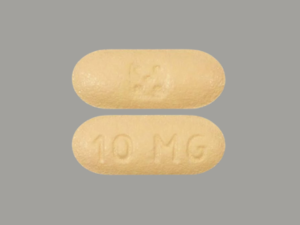
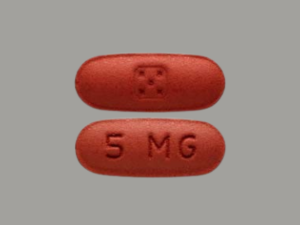
- 5 mg
- 10 mg (immediate-release)
- 6.25 mg
- 12.5 mg (extended-release)
Dosage depends on:
- Age
- Gender (in some guidelines lower doses for women)
- Liver function
- Severity of insomnia
It should be taken immediately before bedtime with enough time for a full night of sleep (7–8 hours).
Benefits of Zolpidem
- Helps fall asleep faster
- Improves sleep duration
- Works quickly (within minutes)
- Short-term relief for acute insomnia
- Less residual sedation than some older sleep medications
Possible Side Effects
Common Side Effects:
- Drowsiness
- Dizziness
- Headache
- Fatigue
- Next-day sleepiness
- Lightheadedness
Serious Risks:
- Complex sleep behaviors (sleepwalking, sleep-driving)
- Dependence and withdrawal
- Memory impairment
- Hallucinations (rare)
- Severe allergic reactions
- Respiratory depression (especially with other sedatives)
Safety Warnings
Zolpidem should be used cautiously in individuals who:
- Have a history of substance use disorder
- Have depression or mental health conditions
- Have liver disease
- Have respiratory disorders
- Are elderly
Combining zolpidem with alcohol, opioids, or other sedatives can be dangerous and increase the risk of overdose or respiratory suppression.
Drug Interactions
Zolpidem may interact with:
- Alcohol
- Opioid pain medications
- Benzodiazepines
- Antidepressants
- Antihistamines (sedating types)
- Muscle relaxants
These combinations may increase sedation and impairment.
Withdrawal Symptoms
Stopping zolpidem after prolonged use may cause:
- Rebound insomnia
- Anxiety
- Irritability
- Tremors
- Nausea
- Sleep disturbances
Gradual discontinuation under medical supervision is recommended.
Overdose Risks
Zolpidem overdose can be dangerous, especially when combined with other CNS depressants.
Warning signs include:
- Extreme drowsiness
- Confusion
- Slowed breathing
- Loss of consciousness
- Poor coordination
Emergency medical attention is required immediately.
Frequently Asked Questions
Is zolpidem addictive?
Yes. It can cause dependence, especially with prolonged or improper use.
How fast does zolpidem work?
It typically works within 15–30 minutes.
Can zolpidem cause sleepwalking?
Yes. Rare but serious complex sleep behaviors have been reported.
How long does zolpidem last?
Effects usually last 6–8 hours depending on the formulation.
Learn More From Omega Chems
Explore related educational resources at Omega Chems:
Medical Disclaimer
This content is for informational and educational purposes only and is not medical advice. Always consult a licensed healthcare provider before starting, stopping, or changing any medication.