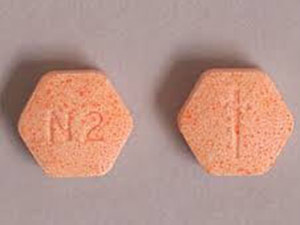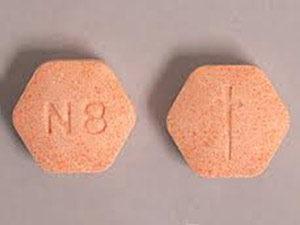
Suboxone : Buy Suboxone Online
Buy Suboxone Online with fast delivery . Suboxone is a prescription medication used to treat opioid use disorder (OUD). It combines two active ingredients:
- Buprenorphine: a partial opioid agonist that reduces cravings and withdrawal symptoms
- Naloxone: an opioid antagonist that helps prevent misuse
Suboxone is used as part of a comprehensive treatment program that may include counseling, behavioral therapy, and medical supervision.
How Suboxone Works
Suboxone helps stabilize brain chemistry in individuals dependent on opioids.
Buprenorphine Action
- Activates opioid receptors partially
- Reduces withdrawal symptoms
- Lowers cravings without producing a full opioid “high”
Naloxone Role
- Blocks opioid effects if misused (e.g., injection use)
- Adds a safety layer against abuse
According to the U.S. Food and Drug Administration (FDA), buprenorphine-based medications are an evidence-based treatment for opioid dependence and should be used under medical supervision.
Medical Uses of Suboxone
1. Opioid Use Disorder Treatment
Suboxone is primarily used to:
- Reduce opioid cravings
- Prevent withdrawal symptoms
- Support long-term recovery
2. Maintenance Therapy
It may be used as part of ongoing treatment to help patients:
- Stay stable in recovery
- Reduce relapse risk
- Improve daily functioning
3. Medication-Assisted Treatment (MAT)
Suboxone is commonly used in MAT programs alongside:
- Counseling
- Behavioral therapy
- Recovery support services
Dosage Information
Suboxone is available as:
- Sublingual films
- Sublingual tablets
Common Strengths:
- 2 mg / 0.5 mg
- 4 mg / 1 mg
- 8 mg / 2 mg
- 12 mg / 3 mg
Dosage is individualized and depends on:
- Level of opioid dependence
- Withdrawal severity
- Treatment stage (induction or maintenance)
Only a qualified healthcare provider should determine dosing.
Benefits of Suboxone
- Reduces opioid cravings
- Controls withdrawal symptoms
- Lowers relapse risk
- Allows outpatient treatment in many cases
- Has a lower overdose risk compared to full opioid agonists
Possible Side Effects
Common Side Effects:
- Headache
- Nausea
- Constipation
- Sweating
- Insomnia
- Dizziness
- Fatigue
- Mouth irritation (film/tablet use)
Serious Risks:
- Respiratory depression (especially with other sedatives)
- Liver function changes
- Allergic reactions
- Dependence on buprenorphine
- Precipitated withdrawal if started incorrectly
Safety Warnings
Suboxone should be used carefully in individuals who:
- Have respiratory conditions
- Use benzodiazepines or alcohol
- Have liver disease
- Are pregnant or breastfeeding (medical supervision required)
- Have a history of substance use disorder (requires structured care)
Drug Interactions
Suboxone may interact with:
- Benzodiazepines
- Alcohol
- Sleeping medications
- Other opioids
- Certain antidepressants
Combining depressants increases the risk of sedation and breathing problems.
Withdrawal & Discontinuation
Stopping Suboxone suddenly may lead to:
- Anxiety
- Muscle aches
- Irritability
- Insomnia
- Nausea
- Cravings
Doctors typically recommend gradual tapering under supervision.
Important Safety Precautions
- Take exactly as prescribed
- Do not mix with alcohol or sedatives
- Store securely away from others
- Use only under a certified treatment program when required
- Attend counseling or recovery support when recommended
Frequently Asked Questions
Is Suboxone an opioid?
Yes. Buprenorphine is a partial opioid agonist, but it is designed for controlled medical use in addiction treatment.
Can Suboxone cause addiction?
It can cause physical dependence, but it is significantly safer than full opioids when used correctly.
How long do people stay on Suboxone?
Treatment duration varies—some patients use it short-term, others may use it long-term under supervision.
Does Suboxone prevent overdose?
It reduces overdose risk compared to full opioids, but combining it with other depressants can still be dangerous.
Learn More From Omega Chems
Explore related educational resources at Omega Chems:
Medical Disclaimer
This content is for informational and educational purposes only and does not replace professional medical advice. Always consult a licensed healthcare provider before starting or stopping any medication.