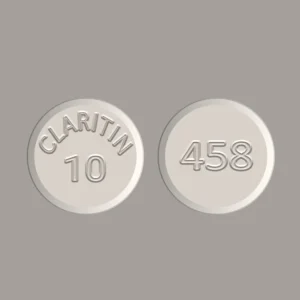
Claritin (Loratadine)| Buy Claritin online
Claritin is a second-generation antihistamine used to treat allergy symptoms by blocking histamine, a chemical in the body that triggers allergic reactions. It is widely used for seasonal allergies, indoor allergies, and chronic urticaria (hives).
Unlike older antihistamines, Claritin is considered “non-drowsy” for most people, making it suitable for daytime use.
What Is Claritin Used For?
Claritin is commonly used for:
- Seasonal allergic rhinitis (hay fever)
- Indoor allergies (dust, pet dander, mold)
- Sneezing and runny nose
- Itchy, watery eyes
- Skin allergies and hives (urticaria)
It is not typically used for acute asthma or severe allergic reactions such as anaphylaxis.
How Claritin Works (Mechanism of Action)
Claritin works by blocking histamine H1 receptors in the body.
Mechanism effects:
- Prevents histamine from triggering allergy symptoms
- Reduces sneezing and nasal congestion
- Relieves itching and watery eyes
- Helps control skin rash and hives
Because it does not easily cross the blood-brain barrier, it causes less sedation compared to first-generation antihistamines.
Claritin Dosage Information
Claritin dosage depends on age and formulation.
Common doses include:
- 10 mg once daily for adults and children over 6 years
- Lower pediatric dosing in liquid or chewable forms (as directed)
Key guidance:
- Take once daily at the same time
- Can be taken with or without food
- Do not exceed recommended dose
- Suitable for long-term allergy management under general safety guidelines
Claritin Side Effects
Claritin is generally well tolerated, but some users may experience side effects.
Common side effects:
- Headache
- Dry mouth
- Fatigue
- Mild drowsiness (rare)
Less common side effects:
- Dizziness
- Nausea
- Nervousness
Severe allergic reactions to the medication itself are rare but require immediate medical attention.
Claritin vs Other Allergy Medications
Claritin vs Benadryl
Diphenhydramine:
- Claritin: non-drowsy, longer acting
- Benadryl: fast acting but sedating
Claritin vs Zyrtec
Cetirizine:
- Claritin: less sedating
- Zyrtec: slightly stronger symptom relief but may cause drowsiness in some users
Who Should Use Claritin?
Claritin may be used by:
- Adults with seasonal allergies
- Children (age-appropriate formulations)
- Individuals with chronic allergic rhinitis
- People needing non-drowsy allergy relief
It may not be sufficient for:
- Severe allergic asthma
- Emergency allergic reactions (anaphylaxis)
- Complex sinus infections without medical evaluation
Safety Information
When using Claritin:
- Follow recommended dosing instructions
- Avoid doubling doses if one is missed
- Consult a healthcare provider for long-term symptoms
- Use caution when combining with other antihistamines
Medical Disclaimer
Claritin is generally safe when used as directed but should be taken according to product labeling or medical advice. Persistent or severe allergy symptoms should be evaluated by a healthcare professional.
Frequently Asked Questions (FAQ)
What is Claritin used for?
Claritin is used to treat allergy symptoms like sneezing, runny nose, and itchy eyes.
Does Claritin make you sleepy?
Most users do not experience drowsiness, but mild fatigue can occur in some cases.
How long does Claritin last?
It typically provides 24-hour allergy relief per dose.
Can Claritin be taken daily?
Yes, it is commonly used for daily allergy management.
Is Claritin the same as loratadine?
Yes, loratadine is the active ingredient in Claritin.