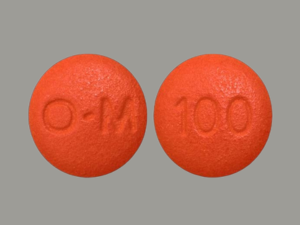
Tapentadol | Buy Tapentadol Online
Tapentadol is a prescription pain reliever used to treat moderate to severe pain. It is classified as a centrally acting analgesic with dual mechanisms that affect both opioid receptors and norepinephrine pathways.
Tapentadol is commonly prescribed for:
- Acute pain (injuries, post-surgery)
- Moderate to severe chronic pain
- Pain conditions that do not respond well to non-opioid medications
It is only available with a prescription and should be used under medical supervision.
How Tapentadol Works
Tapentadol works through a dual mechanism:
1. Opioid Receptor Activity
It binds to mu-opioid receptors in the brain, reducing pain perception.
2. Norepinephrine Reuptake Inhibition
It increases norepinephrine levels, which helps reduce pain signaling in the nervous system.
This combination makes tapentadol effective for certain types of pain that involve both nerve and tissue-related pathways.
According to the U.S. Food and Drug Administration (FDA), tapentadol is an opioid-class medication with risks including addiction, misuse, and respiratory depression.
Medical Uses of Tapentadol
1. Acute Pain Management
Tapentadol may be prescribed after:
- Surgery
- Injury
- Dental procedures
2. Chronic Pain Conditions
It may be used for long-term pain such as:
- Musculoskeletal pain
- Neuropathic pain components
- Severe persistent pain conditions
3. Neuropathic Pain
Due to its dual mechanism, tapentadol may be used when nerve pain is involved.
Dosage Information
Tapentadol is available in immediate-release and extended-release formulations.
Common Strengths:
- 50 mg
- 75 mg
- 100 mg
- 150 mg
- 200 mg
- 250 mg (extended-release)
Dosage depends on:
- Pain severity
- Prior opioid exposure
- Patient tolerance
- Medical condition
Only a licensed healthcare provider should determine dosing.
Benefits of Tapentadol
- Effective for moderate to severe pain
- Works on both opioid and nerve pain pathways
- May provide faster relief in acute pain
- Useful when standard painkillers are insufficient
Possible Side Effects
Common Side Effects:
- Nausea
- Dizziness
- Drowsiness
- Headache
- Constipation
- Dry mouth
- Fatigue
Serious Risks:
- Respiratory depression
- Dependence and addiction
- Low blood pressure
- Serotonin-related effects (rare)
- Seizures (in predisposed individuals)
Safety Warnings
Tapentadol should be used with caution in individuals who:
- Have breathing disorders
- Have a history of substance misuse
- Take antidepressants or sedatives
- Have liver or kidney disease
- Are elderly or medically fragile
Drug Interactions
Tapentadol may interact with:
- Alcohol
- Benzodiazepines
- Sleep medications
- Other opioids
- Antidepressants (especially serotonergic drugs)
These combinations may increase sedation and risk of respiratory depression.
Withdrawal Symptoms
Stopping tapentadol suddenly after prolonged use may cause:
- Anxiety
- Restlessness
- Sweating
- Muscle pain
- Insomnia
- Irritability
- Nausea
Gradual tapering under medical supervision is recommended.
Overdose Risks
An overdose of tapentadol can be life-threatening.
Warning Signs:
- Slow or difficult breathing
- Extreme drowsiness
- Loss of consciousness
- Pinpoint pupils
- Weak pulse
Emergency medical help is required immediately if overdose is suspected.
Frequently Asked Questions
Is tapentadol an opioid?
Yes. Tapentadol is considered an opioid analgesic, though it also affects norepinephrine pathways.
Is tapentadol addictive?
Yes. It carries a risk of dependence and misuse, especially with long-term use.
How long does tapentadol last?
Immediate-release forms typically last a few hours, while extended-release forms provide longer pain control.
Can tapentadol be used for nerve pain?
Yes. It is sometimes used for neuropathic pain due to its dual-action mechanism.
Learn More From Omega Chems
Explore related educational resources at Omega Chems:
Medical Disclaimer
This content is for informational and educational purposes only and does not replace professional medical advice. Always consult a licensed healthcare provider before starting, stopping, or changing any medication.