Weight Loss Injections: Uses, Benefits, Side Effects & What to Know
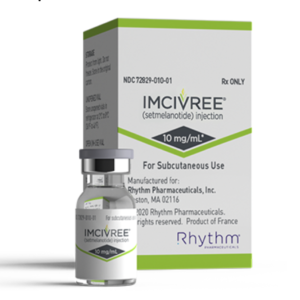
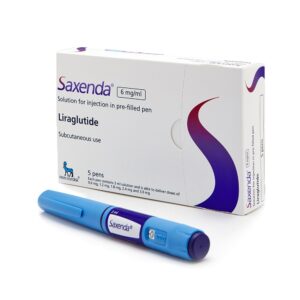
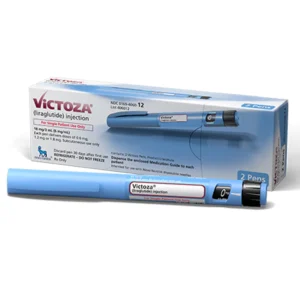
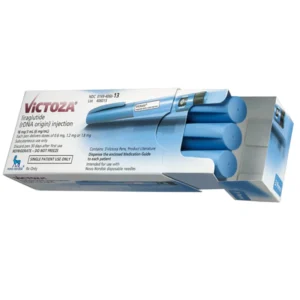
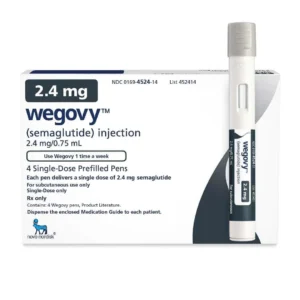
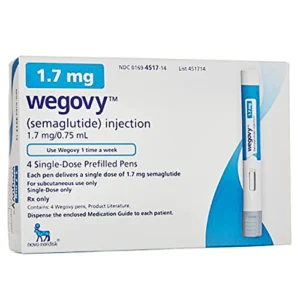
Wegovy and other prescription weight loss injections are medications designed to help individuals manage obesity or excess body weight alongside a healthy diet and regular physical activity.
These medications are commonly prescribed for:
- Obesity management
- Weight-related medical conditions
- Appetite control
- Long-term weight management support
Some injectable medications are also used for type 2 diabetes treatment but may additionally support weight loss under medical supervision.
How Weight Loss Injections Work
Many modern weight loss injections work by mimicking hormones involved in appetite and blood sugar regulation.
GLP-1 Receptor Agonists
Some medications mimic GLP-1 (glucagon-like peptide-1), a hormone that helps:
- Reduce appetite
- Slow stomach emptying
- Improve feelings of fullness
- Support blood sugar regulation
This can help reduce calorie intake and support gradual weight reduction.
According to the U.S. Food and Drug Administration (FDA), prescription weight management medications should only be used under medical supervision and alongside lifestyle modifications.
Common Types of Weight Loss Injections
1. Semaglutide Injections
Examples include:
- Wegovy
- Ozempic (used primarily for diabetes but sometimes discussed in weight management contexts)
2. Tirzepatide Injections
Examples include:
- Zepbound
- Mounjaro
These medications work on multiple hormone pathways related to appetite and metabolism.
Potential Benefits of Weight Loss Injections
- Reduced appetite
- Increased feelings of fullness
- Gradual weight reduction
- Support for long-term weight management
- Possible improvements in weight-related health conditions
Results vary depending on:
- Diet and activity level
- Medical history
- Treatment adherence
- Individual metabolism
Who May Qualify?
Prescription weight loss injections may be considered for adults with:
- Obesity (BMI ≥30)
- Overweight with weight-related medical conditions such as:
- High blood pressure
- Type 2 diabetes
- Sleep apnea
Eligibility is determined by a healthcare provider.
Possible Side Effects
Common Side Effects:
- Nausea
- Vomiting
- Diarrhea
- Constipation
- Stomach discomfort
- Reduced appetite
- Fatigue
Serious Risks:
- Pancreatitis
- Gallbladder issues
- Severe gastrointestinal symptoms
- Low blood sugar (especially with diabetes medications)
- Allergic reactions
Safety Warnings
Weight loss injections should be used carefully in individuals who:
- Have a history of pancreatitis
- Have severe gastrointestinal disease
- Have certain endocrine disorders
- Are pregnant or breastfeeding
These medications are not intended for cosmetic or rapid weight loss purposes.
Lifestyle Changes Still Matter
For best results, weight loss injections are typically combined with:
- Balanced nutrition
- Regular physical activity
- Sleep improvement
- Behavioral support and long-term habit changes
Medication alone is usually not sufficient for sustainable long-term health outcomes.
Frequently Asked Questions
How fast do weight loss injections work?
Results vary, but gradual weight loss is typically expected over several months.
Are weight loss injections safe?
They can be safe when prescribed and monitored by a qualified healthcare provider.
Do you regain weight after stopping?
Some individuals may regain weight if lifestyle habits are not maintained.
Are these injections only for diabetes?
No. Some are specifically approved for chronic weight management.
Learn More From Omega Chems
Explore related educational resources at Omega Chems:
Medical Disclaimer
This content is for informational and educational purposes only and does not replace professional medical advice. Always consult a licensed healthcare provider before starting or stopping any medication or weight management program.