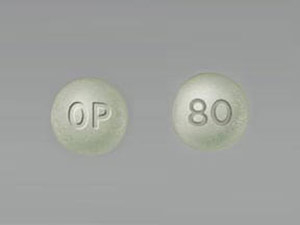
OxyContin (Oxycodone ER): Buy Oxycontin Online
Buy Oxycontin Online which is a prescription extended-release opioid medication containing oxycodone hydrochloride. It is commonly prescribed for the management of severe and persistent pain that requires around-the-clock treatment when alternative therapies are not sufficient.
OxyContin belongs to the opioid analgesic drug class and is designed to provide long-lasting pain relief for chronic conditions, post-surgical recovery, and certain cancer-related pain management protocols. According to the U.S. Food and Drug Administration (FDA), extended-release opioid medications should only be used under appropriate medical supervision because of the serious risks associated with opioid therapy.
How OxyContin Works
OxyContin works by binding to opioid receptors in the central nervous system, helping reduce the body’s perception of pain signals. Extended-release formulations are designed to release medication gradually over time for prolonged pain control.
The FDA notes that extended-release opioid medications carry risks including respiratory depression, misuse, overdose, addiction, and dependence, especially at higher doses or with long-term use.
Common OxyContin Dosage Strengths
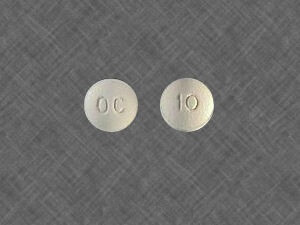
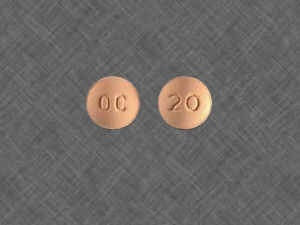
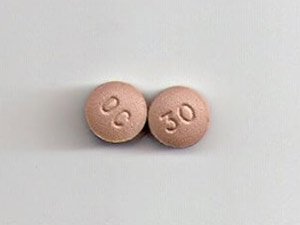
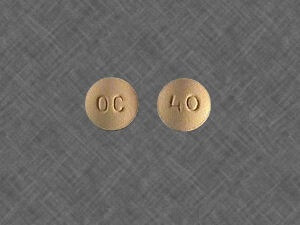
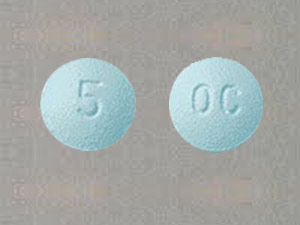
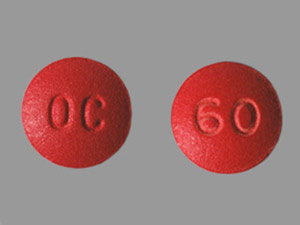
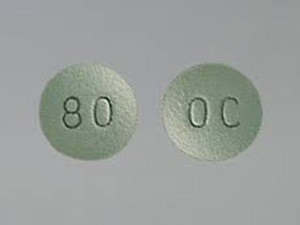
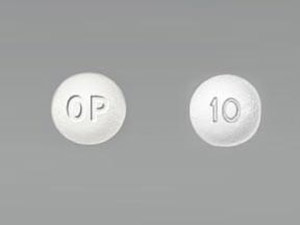
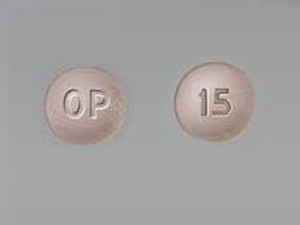
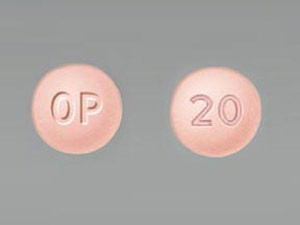
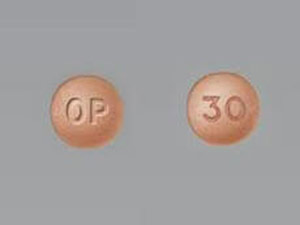
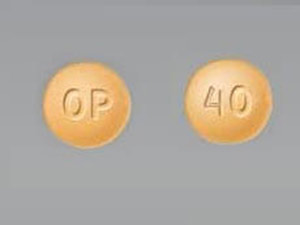
OxyContin extended-release tablets may be prescribed in multiple dosage strengths depending on the patient’s condition, opioid tolerance, and treatment history.
Common strengths include:
- 10 mg
- 15 mg
- 20 mg
- 30 mg
- 40 mg
- 60 mg
- 80 mg
Patients should only use opioid medications exactly as prescribed by a licensed healthcare professional.
Oxycodone vs OxyContin
Many people confuse oxycodone with OxyContin.
Key Difference:
- Oxycodone is the active opioid ingredient.
- OxyContin is an extended-release branded formulation designed for long-duration pain management.
Immediate-release oxycodone products are generally used for shorter-term pain control, while extended-release products are intended for severe chronic pain conditions requiring ongoing therapy.
Potential Side Effects of OxyContin
Like other opioid medications, OxyContin may cause side effects ranging from mild to severe.
Common Side Effects:
- Drowsiness
- Constipation
- Nausea
- Dry mouth
- Sweating
- Dizziness
- Fatigue
- Headache
Serious Risks:
- Respiratory depression
- Physical dependence
- Opioid use disorder
- Overdose
- Sedation
- Withdrawal symptoms
The FDA requires boxed warnings for opioid medications due to the risks of addiction, abuse, misuse, and potentially fatal respiratory complications.
Withdrawal & Dependence
Long-term opioid use may lead to physical dependence. Abruptly stopping opioid medications can cause withdrawal symptoms including:
- Anxiety
- Insomnia
- Muscle aches
- Sweating
- Nausea
- Restlessness
- Gastrointestinal discomfort
The FDA advises patients not to discontinue opioid therapy suddenly without professional medical guidance.
Important Drug Interactions
Patients should avoid combining opioid medications with other central nervous system depressants unless specifically instructed by a healthcare provider.
Potentially Dangerous Interactions Include:
- Benzodiazepines
- Sleeping medications
- Alcohol
- Sedatives
- Certain antidepressants
- Muscle relaxants
Grapefruit and grapefruit juice may also affect oxycodone metabolism in some patients.
Safe Handling & Storage
To reduce the risk of accidental exposure or misuse:
- Store medications securely
- Keep away from children and pets
- Never crush or chew extended-release tablets
- Dispose of unused medication properly
The FDA continues to emphasize opioid safety education through Risk Evaluation and Mitigation Strategy (REMS) programs.
Learn More About Pain Management & Research Compounds
Explore additional educational resources and research products at Omega Chems:
- Pain Management Research Products
- Research Chemicals Collection
- Ketamine Research Guide
- Omega Chems Shop
- Contact Omega Chems
Frequently Asked Questions
Is OxyContin used for chronic pain?
Yes. OxyContin is generally prescribed for severe chronic pain requiring long-term opioid treatment under medical supervision.
Is OxyContin addictive?
Yes. Extended opioid use may lead to physical dependence, misuse, or opioid use disorder. Patients should follow medical instructions carefully.
How long does OxyContin last?
Extended-release formulations are designed to provide pain relief for approximately 12 hours in many patients.
What happens if OxyContin is misused?
Misuse of extended-release opioid medications may increase the risk of overdose, respiratory depression, and death.
Medical Disclaimer
This content is intended for informational and educational purposes only and should not replace professional medical advice, diagnosis, or treatment. Always consult a qualified healthcare provider regarding opioid medications and pain management decisions.