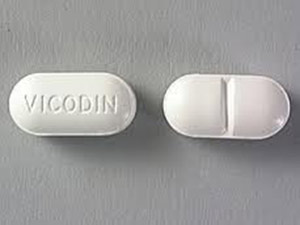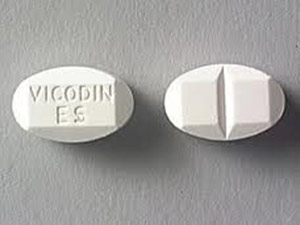
Vicodin: Buy Vicodin Online
Buy Vicodin Online with fast delivery. Vicodin is a prescription pain medication used to treat moderate to moderately severe pain. It combines two active ingredients:
- Hydrocodone (an opioid pain reliever)
- Acetaminophen (a non-opioid pain reliever and fever reducer)
Vicodin is commonly prescribed for short-term pain management when other treatments are not sufficient.
It may be used for:
- Post-surgical pain
- Injury-related pain
- Dental pain
- Acute musculoskeletal pain
Because it contains an opioid component, Vicodin carries a risk of dependence, misuse, and overdose.
How Vicodin Works
Vicodin works through a dual-action mechanism:
Hydrocodone
Binds to opioid receptors in the brain and spinal cord to reduce the perception of pain.
Acetaminophen
Enhances pain relief and helps reduce fever by acting on pain pathways in the brain.
Together, these ingredients provide stronger pain relief than either component alone.
According to the U.S. Food and Drug Administration (FDA), hydrocodone-containing medications are controlled substances due to risks of addiction, misuse, and respiratory depression.
Common Vicodin Dosage Strengths
Vicodin formulations vary depending on acetaminophen content.
Common strengths include:
- 5 mg / 300 mg
- 7.5 mg / 300 mg
- 10 mg / 300 mg
Dosage is based on:
- Pain severity
- Patient medical history
- Opioid tolerance
- Prescriber guidance
Only a licensed healthcare provider should determine dosing.
Medical Uses of Vicodin
1. Acute Pain Relief
Used after:
- Surgery
- Injuries
- Dental procedures
2. Moderate to Severe Pain
Prescribed when non-opioid medications are not sufficient.
Possible Side Effects
Common Side Effects:
- Drowsiness
- Dizziness
- Nausea
- Constipation
- Dry mouth
- Fatigue
- Lightheadedness
Serious Risks:
- Respiratory depression
- Addiction and dependence
- Liver damage (due to acetaminophen overdose)
- Overdose risk
- Severe sedation
Safety Warnings
Vicodin should be used cautiously in individuals who:
- Have breathing disorders
- Have liver disease
- Have a history of substance use disorder
- Are elderly or medically fragile
- Use other sedatives or alcohol
Combining Vicodin with alcohol or other CNS depressants increases overdose risk significantly.
Drug Interactions
Vicodin may interact with:
- Alcohol
- Benzodiazepines
- Sleep medications
- Muscle relaxants
- Other opioids
- Certain antidepressants
These combinations can increase sedation and respiratory depression risk.
Overdose Risks
Vicodin overdose can be life-threatening, especially due to acetaminophen toxicity.
Warning Signs:
- Slow or stopped breathing
- Extreme drowsiness
- Confusion
- Loss of consciousness
- Vomiting
- Weak pulse
Emergency medical help is required immediately.
Withdrawal Symptoms
Stopping Vicodin suddenly after prolonged use may cause:
- Anxiety
- Muscle aches
- Insomnia
- Irritability
- Sweating
- Nausea
- Cravings
A gradual taper under medical supervision is recommended.
Frequently Asked Questions
Is Vicodin an opioid?
Yes. It contains hydrocodone, which is an opioid pain medication.
Is Vicodin addictive?
Yes. It can cause physical dependence and addiction, especially with long-term use.
How long does Vicodin last?
Effects typically last a few hours depending on dose and individual metabolism.
Why is acetaminophen included?
It enhances pain relief but increases risk of liver damage if misused.
Learn More From Omega Chems
Explore related educational resources at Omega Chems:
Medical Disclaimer
This content is for informational and educational purposes only and is not medical advice. Always consult a licensed healthcare provider before starting, stopping, or changing any medication.